Protect the Plumbing From the Cold This Fall and Winter
These essential plumbing tips for colder temperatures provide a clear plan to minimize winter risks. A single instance of frozen pipes can escalate into a costly, disruptive pipe burst, but simple preparation goes a long way. This overview explains how to insulate pipes effectively, maintain indoor warmth and airflow to deter freezing pipes, and winterize every outdoor faucet before a hard frost. Implement these steps early to ensure steady water flow and greater peace of mind throughout the season.
Insulate the Pipes
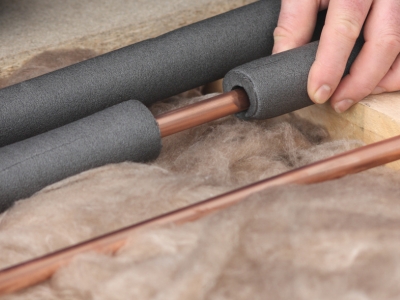 Frozen pipes can split under pressure, sending water into walls, ceilings, and flooring in a matter of moments. Pipe insulation serves as a protective layer against cold air, slowing heat loss so that water continues to flow during sustained low temperatures. This preventive step is quick to implement and significantly less expensive than repairing a burst pipe and its associated damage.
Begin with the most vulnerable locations, such as attics, crawl spaces, garages, and unfinished basements. These areas often lack consistent heat and are common sites for freezing pipes. Lines along exterior walls also benefit from added coverage. Foam sleeves slide over straight runs easily, while fiberglass wrap or similar products conform around elbows, tees, and valves. Effectively insulating pipes means covering both hot and cold lines in these zones, because standing water in any pipe can freeze when conditions are severe.
Gaps undermine protection. After installing materials, secure the seams and joints to prevent cold air from seeping between the insulation and the pipe. Where a history of freezing exists, a professional may recommend heat cable beneath the insulation for added resilience. The goal is continuous contact and continuous coverage—an approach that keeps the odds of a pipe burst as low as possible when temperatures plunge.
Keep the Heat on and Open Cabinets
 Consistent indoor warmth is one of the simplest defenses against freezing pipes. Maintaining a steady temperature helps walls and cavities stay above the freezing threshold. This stability is especially valuable at night or when the property is unoccupied for several hours, keeping water lines from experiencing sharp temperature swings.
Cabinets can create cold pockets around plumbing, particularly on exterior walls. Opening cabinet doors beneath kitchen and bathroom sinks during extreme cold allows warm air to circulate around supply lines, reducing the chance of a burst pipe behind closed panels. For extra airflow, a small fan can be aimed gently toward these spaces to push heat inside. Keeping return grilles and supply registers clear ensures the heating system can move air freely to all parts of the home.
This combination—steady heating and better airflow—forms a layered defense. It is also helpful to monitor basements and crawl spaces with exposed lines, where adding spot heat during severe cold snaps may be appropriate. Paired with proper pipe insulation, these measures significantly lower the likelihood of freezing pipes and the strain that winter places on the plumbing system.
Winterize Outdoor Faucets
An outdoor faucet is one of the most exposed fixtures and requires attention before the first freeze. Begin by disconnecting garden hoses and draining them completely; residual water can freeze in a hose and push expansion back into supply lines. If an interior shutoff valve serves each exterior spigot, close those valves well ahead of cold weather.
With the interior valve shut, open the outdoor faucet to drain any remaining water from the line and leave the handle in the open position through winter. This simple step relieves residual pressure and helps prevent trapped water from turning to ice inside the pipe. Adding an insulated cover over each spigot provides a buffer against wind and frigid air, further reducing stress at the wall penetration. Where older hose bibs have been prone to freezing, upgrading to frost‑resistant models can help. For clarity in labeling or online searches, note that some residents refer to these fixtures as an outdoor faucet.
A quick pre‑winter walkthrough—confirming hoses are removed, shutoffs are closed, faucets are drained, and covers are in place—completes the plan. When combined with insulating pipes indoors and maintaining steady heat and airflow, these steps make it far less likely that freezing pipes will lead to a pipe burst or disruptive water damage.
About PAC Plumbing, Heating, Air Conditioning
PAC Plumbing, Heating, Air Conditioning is an award-winning plumbing and HVAC company offering fast turnarounds and quality workmanship in Staten Island and the surrounding communities. Call them today to schedule burst pipe repair in Staten Island, NY.